Signs Your Septic System Needs Immediate Attention
A septic system plays a crucial role in managing household wastewater, yet it’s easy for homeowners to overlook it until something goes wrong. Even though these systems are designed to operate quietly and efficiently, they still need regular care and attention. When early warning signs appear, addressing them quickly can help prevent costly repairs, household disruptions, and long-term damage to the system. Knowing what to look for allows you to respond before a minor issue becomes a major one.
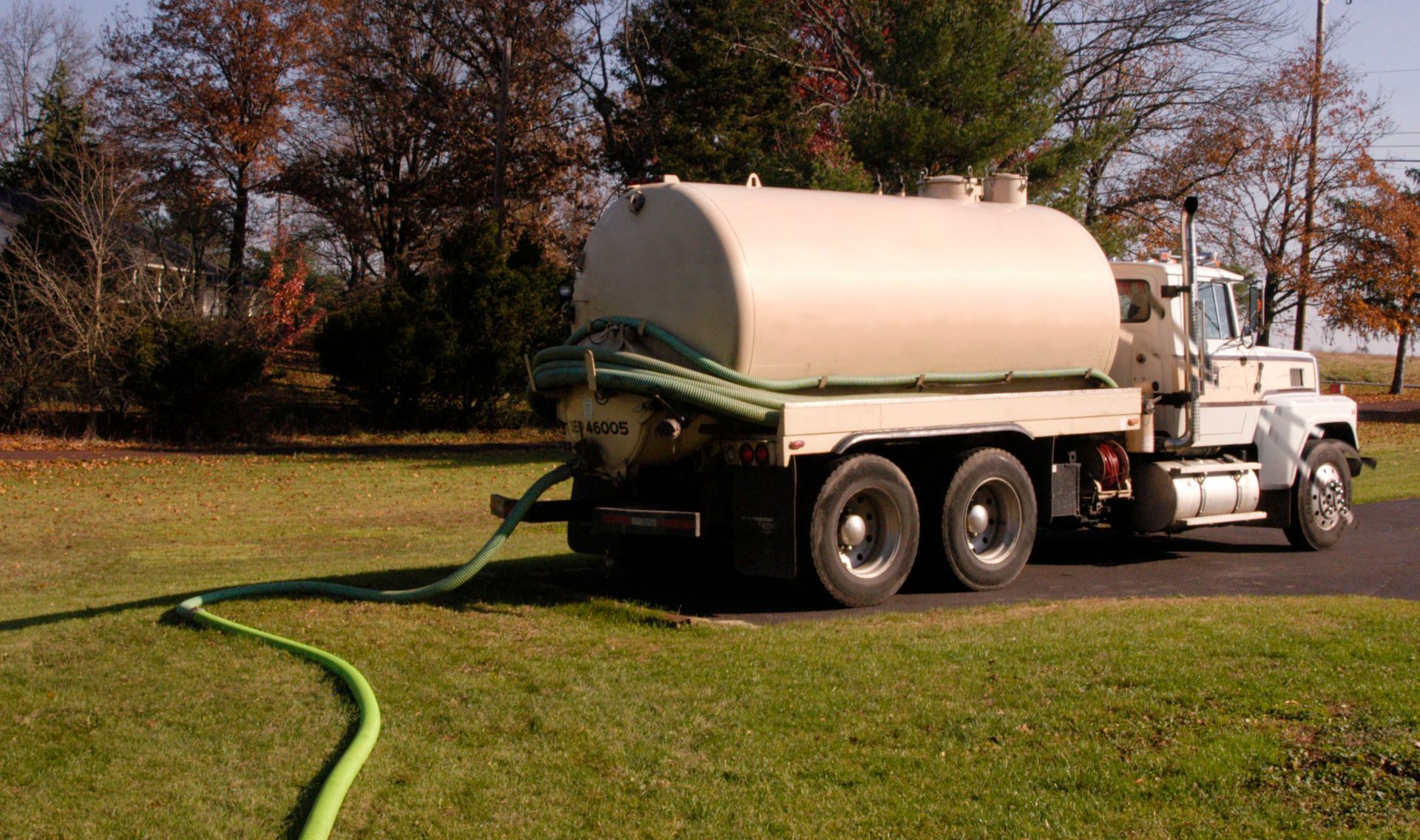
According to IBISWorld, the septic, drain, and sewer cleaning services industry continues to expand as many systems nationwide age and require more consistent upkeep. This growth reflects how important it is for homeowners to understand the signs of possible system trouble. Whether your home uses a newer setup or an older, long-running system, recognizing unusual patterns ensures everything runs smoothly. If any of the following situations feel familiar, it might be time to consider professional assessment or scheduling septic pumping services to keep the system operating properly.
1. Noticing Persistent Odors Around the Home
Unpleasant odors are often one of the earliest signs of septic concerns. These smells may resemble sewage or rotten eggs and can appear indoors or outdoors. While occasional odors might occur from everyday use, persistent smells usually indicate that wastewater is not processing correctly or that gases are escaping from the system. A properly functioning septic system contains odors within the tank and plumbing lines. When you begin detecting them in or around your home, it often means the tank may be full or there is a ventilation issue. If ignored, the odor can spread into living areas, basements, or exterior spaces. Early action, including routine septic pumping services, helps restore balance and prevent more serious complications.
2. Observing Slow Drainage Throughout the House
If drains throughout the home begin slowing down, it can suggest a developing septic issue rather than just a simple clog. Signs usually start small—perhaps a sink draining slowly or a shower taking a bit longer to empty. Over time, multiple drains may show the same behavior, which often signals that wastewater is not flowing through the system as intended. Slow drainage typically indicates that the tank is nearing capacity or that the system is experiencing resistance somewhere along the line. This is one of the most common reasons homeowners schedule septic pumping services, as it often resolves the issue when caught early. Paying attention to these early changes helps avoid backups and more disruptive problems later on.
3. Hearing Gurgling Sounds Inside the Plumbing
Gurgling noises coming from toilets, sinks, or tubs may point to air trapped in the plumbing system. This often occurs when wastewater has difficulty moving through the pipes, creating pockets of air that make their way back up through the fixtures. The sounds might not seem serious at first, but they usually indicate that something is affecting the flow of wastewater. These noises tend to become more noticeable when the system is under strain—for instance, after running the dishwasher or doing several loads of laundry. If gurgling becomes consistent, it's a sign that the system should be checked. In many cases, timely septic pumping services help restore proper flow and eliminate these disruptions.
4. Seeing Water Pooling Near the Septic System
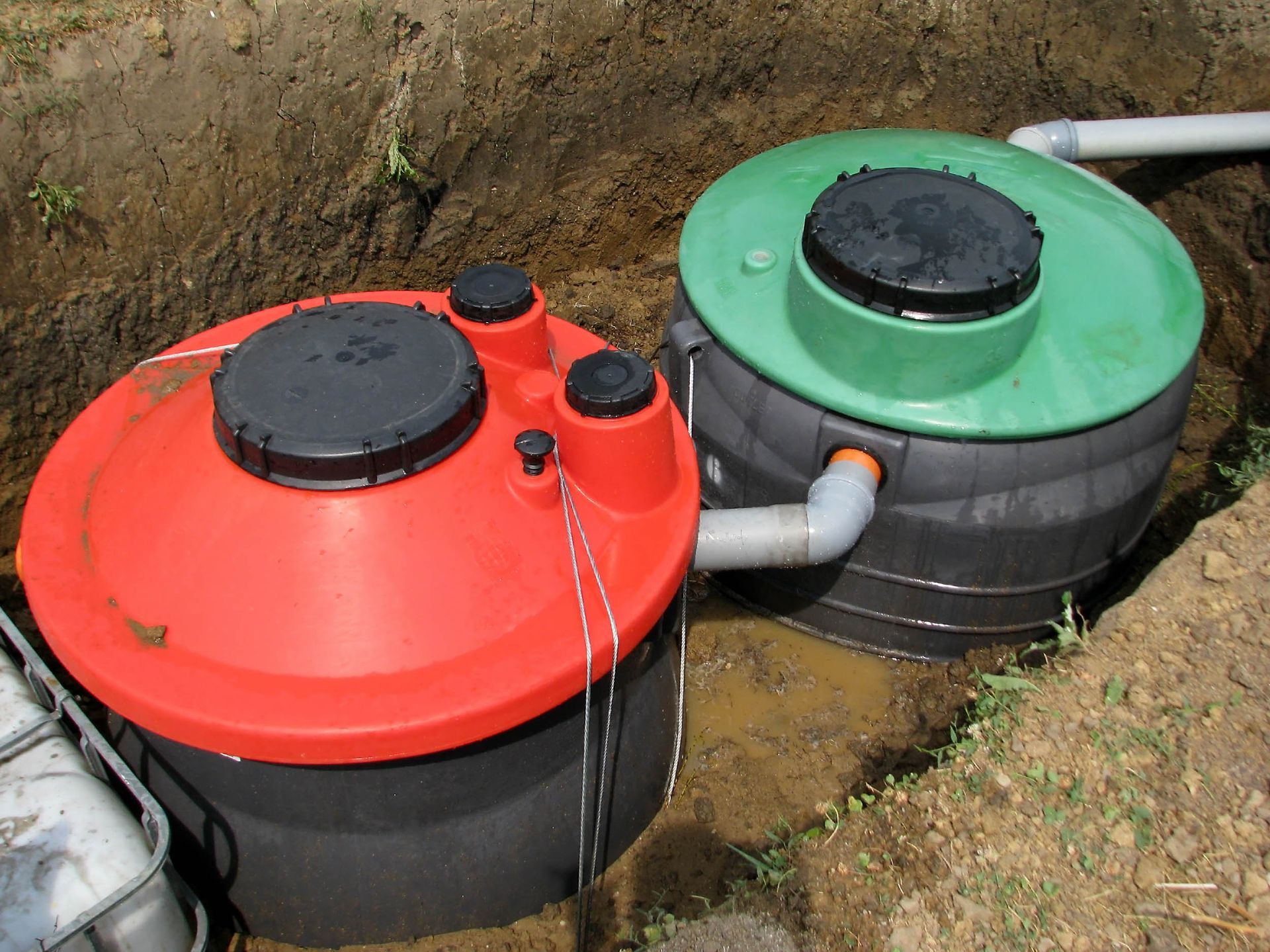
Standing water or soggy patches of soil around the area where the system is buried can indicate that wastewater isn’t being absorbed by the ground as it should. A well-functioning drain field disperses water underground, where it is naturally filtered through layers of soil. When water pools near the system, it usually means the soil has become oversaturated or the system is under too much pressure. Pooling water can sometimes carry mild odors, but even without smells, it is a sign worth investigating. Excess moisture around the system can lead to more serious issues if ignored. In many situations, maintenance or septic pumping services can help relieve pressure and allow the system to recover before damage spreads.
5. Finding Patchy or Overly Green Grass Near the Tank Area
Grass that appears healthier or greener than the rest of the lawn may seem harmless, but it can actually signal a septic issue. Wastewater acts as a strong fertilizer, so if it starts leaking or escaping from the system, it often results in unusually lush grass directly above or around the tank or drain field. This difference in lawn appearance is one of the more subtle early signs, but it shouldn’t be overlooked. Softer ground or damp soil in the same area strengthens the likelihood of a problem. Addressing this early by scheduling septic pumping services or an inspection can prevent more serious damage and keep the system functioning properly.
6. Experiencing Frequent Toilet Backups
Toilet backups are one of the more disruptive indicators of septic system trouble. While a single backup might be due to a clog, repeated issues often suggest the problem lies deeper within the system. Toilets are closely connected to the septic tank, so they tend to show signs of trouble before other fixtures. If backups occur in multiple bathrooms or happen shortly after heavy water use, it often means the tank may be full or the system is having difficulty processing wastewater. Addressing these issues quickly helps prevent further cleanup tasks and reduces the risk of interior plumbing damage. When repeated backups become noticeable, it’s a strong signal that septic pumping services may be needed.
7. Noticing Changes in Water Usage and System Performance
Shifts in household water habits can place extra pressure on the septic system. Hosting visitors, doing more laundry, taking longer showers, or installing new appliances can all impact how well the system handles daily use. When the system becomes overloaded, you may notice slower performance, mild odors, or inconsistent drainage.
Environmental factors like heavy rainfall or seasonal changes can also affect how the system operates. If the system begins showing new or unusual behavior, it usually means it’s working harder than usual. Paying attention to these gradual changes helps you catch minor issues before they become larger ones. When the system seems consistently strained, scheduling septic pumping services or a professional evaluation can help bring everything back to normal.
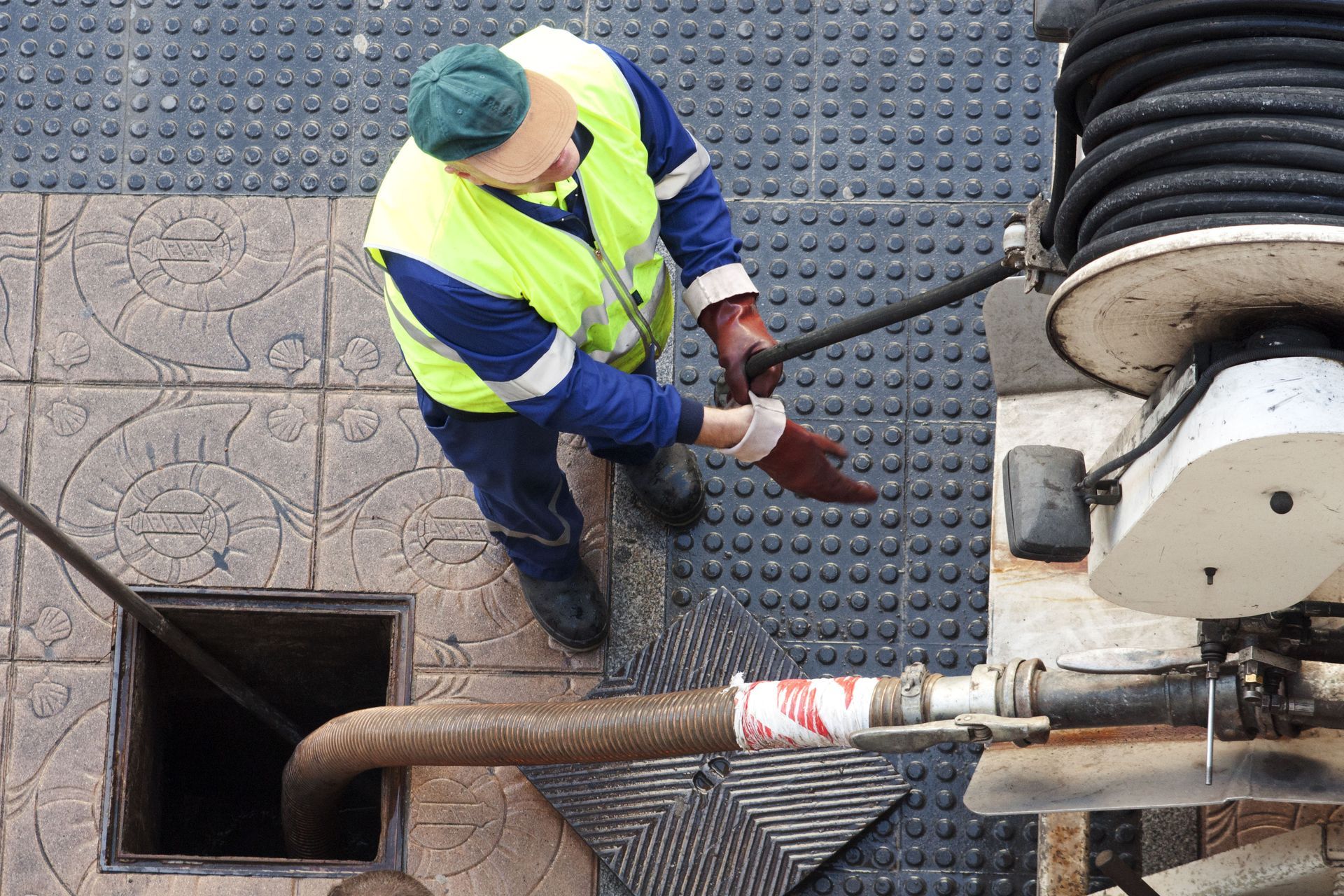
Even when no issues are apparent, maintaining your septic system proactively can prevent costly repairs. Routine inspections allow professionals to check sludge levels, inspect pipes, and evaluate the drain field. Using septic-safe cleaning products and avoiding flushing non-biodegradable items protects the bacterial ecosystem within the tank. Proper landscaping—avoiding deep roots or heavy traffic near the tank—also safeguards the system. Additionally, seasonal awareness is important, as rainfall, snowmelt, or drought can temporarily affect system performance. Regular maintenance, combined with mindful household practices, helps ensure the system continues to operate efficiently.
Everyone in the home can contribute to septic system health. Educating family members about water use, what items to flush, and recognizing early warning signs empowers them to help maintain the system. This reduces the risk of misuse that can lead to blockages or system strain. Combining informed habits with regular professional inspections ensures a more reliable and longer-lasting septic system, saving time, money, and stress in the long term.
By remaining proactive, monitoring usage patterns, and scheduling routine septic pumping services, homeowners can protect both their property and family from the costly consequences of system failure. These practices preserve functionality, prevent disruptions, and safeguard long-term investment in the home. If any of the warning signs above appear, contacting Service Connected, Inc is the best step toward maintaining system efficiency and peace of mind.




Share On: